

Why Your Pet's Anxiety Gets Worse After the Holidays (And What I've Learned About Helping Them)
I've been thinking about something that happens in thousands of South African homes every January.
You spend weeks at home during the December holidays. Your dog follows you from room to room. Your cat suddenly wants to sit on your lap during every Zoom call. You're together constantly.
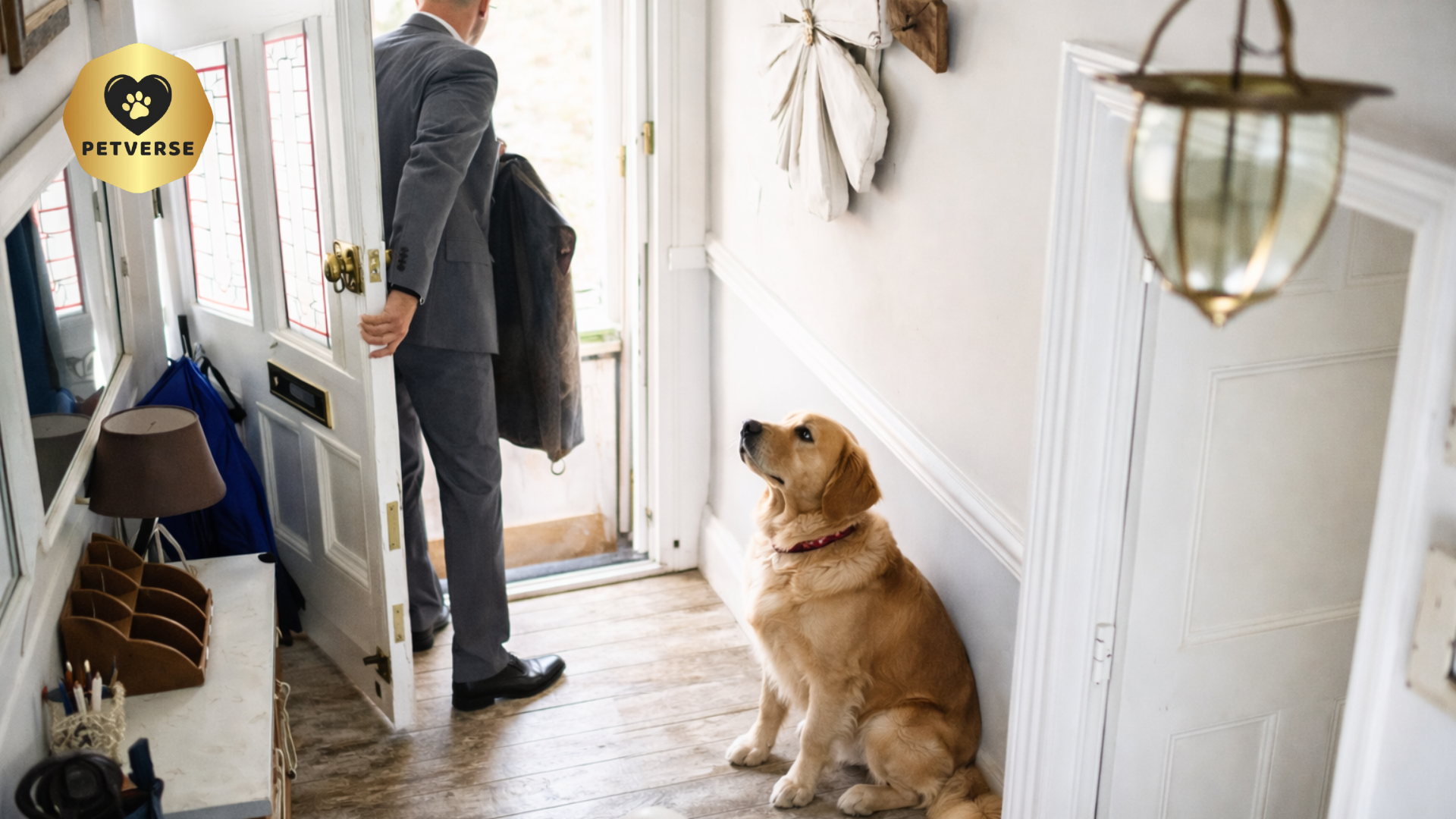
Then you go back to work and your pet loses it.
The Numbers Tell a Story We Can't Ignore
Here's what surprised me when I started researching this: anxiety levels in dogs jumped over 700% between 2020 and 2022. That's not a typo.
Even more interesting? Separation anxiety affects 44% of pet owners who worry about their pets. Pet parents experience anxiety themselves when away from their pets.
The anxiety goes both ways. We're not just dealing with stressed pets. We're dealing with stressed households where everyone feels the tension of those daily goodbyes.
What Actually Happens in Your Pet's Brain
When you spend three weeks at home, your pet's brain recalibrates. You become part of their baseline environment. Your presence shifts from "occasional comfort" to "constant security." Their cortisol levels normalize around your being there.
Then you leave for eight hours. To them, it's not "Mom went to work." It's "My entire safe world just disappeared and I don't know if it's coming back."
That's the part most people miss. Your pet isn't being dramatic or spiteful. They're genuinely distressed because their sense of safety just walked out the door.
The Signs You Might Be Missing (Especially in Cats)
Dogs make their anxiety obvious. They bark, they destroy cushions, they pace by the gate. Cats? They suffer quietly. Research shows that behavioral criteria identify 13.45% of cats with separation-related problems. But here's the thing: most owners never notice.
Watch for these in cats:
Eating less when you're gone
Over-grooming (bald patches, excessive licking)
Urinating outside the litter box
Hiding more than usual
Reduced play behaviour
In dogs, you'll see:
Excessive barking or howling
Destructive chewing or digging
Pacing near doors or windows
Drooling or panting when you prepare to leave
Accidents inside (even when house-trained)
What I've Found Actually Works
The solution isn't complicated, but it requires planning before you go back to work.
Start practicing separation two weeks before.
Leave for 10 minutes. Come back. Leave for 20 minutes. Come back. Build up gradually so your pet learns that departures always end in reunions.
Boring goodbyes work better than emotional ones.
I know you want to give your dog a big hug and tell them you'll miss them. But that actually heightens their anxiety. Treat leaving like you're walking to the mailbox. Casual. Unremarkable.
Create positive associations with alone time.
Give them a puzzle feeder or a frozen treat that only appears when you leave. Their brain starts connecting "human leaves" with "good things happen."
Exercise matters more than you think.
A tired pet is a calmer pet. A 30-minute walk before you leave can reduce anxiety significantly. Physical exhaustion competes with mental stress.
When You Need More Than Home Remedies
Some separation anxiety goes beyond what routine adjustments can fix. If your pet injures themselves trying to escape, refuses to eat for days, or shows signs of severe distress (excessive drooling, trembling, self-harm), you need professional help.
Talk to your vet about:
Behavioural medication (short-term support while you work on training)
Referral to a veterinary behaviourist
Structured desensitization programs
There's no shame in getting help. Severe anxiety is a medical condition, not a training failure.
The Technology Piece
I've seen how real-time monitoring changes the equation for anxious pet owners. When you can check on your pet during the day, you reduce your own anxiety. When you know exactly where they are and that they're safe, you worry less. That calmer energy affects your pet when you get home.
GPS tracking isn't just about finding lost pets. It's about creating peace of mind that benefits everyone in the household.
What This Really Means
Your pet's post-holiday anxiety isn't a problem to solve. It's proof of how deeply they've bonded with you. The same attachment that makes them anxious when you leave is what makes them ecstatic when you return. You can't have one without the other.
The goal isn't to eliminate their attachment. It's to help them feel secure even when you're not physically present. And that takes time, patience, and a willingness to see their behaviour through the lens of emotion rather than disobedience.
Start preparing now. Your February self will thank you.
