

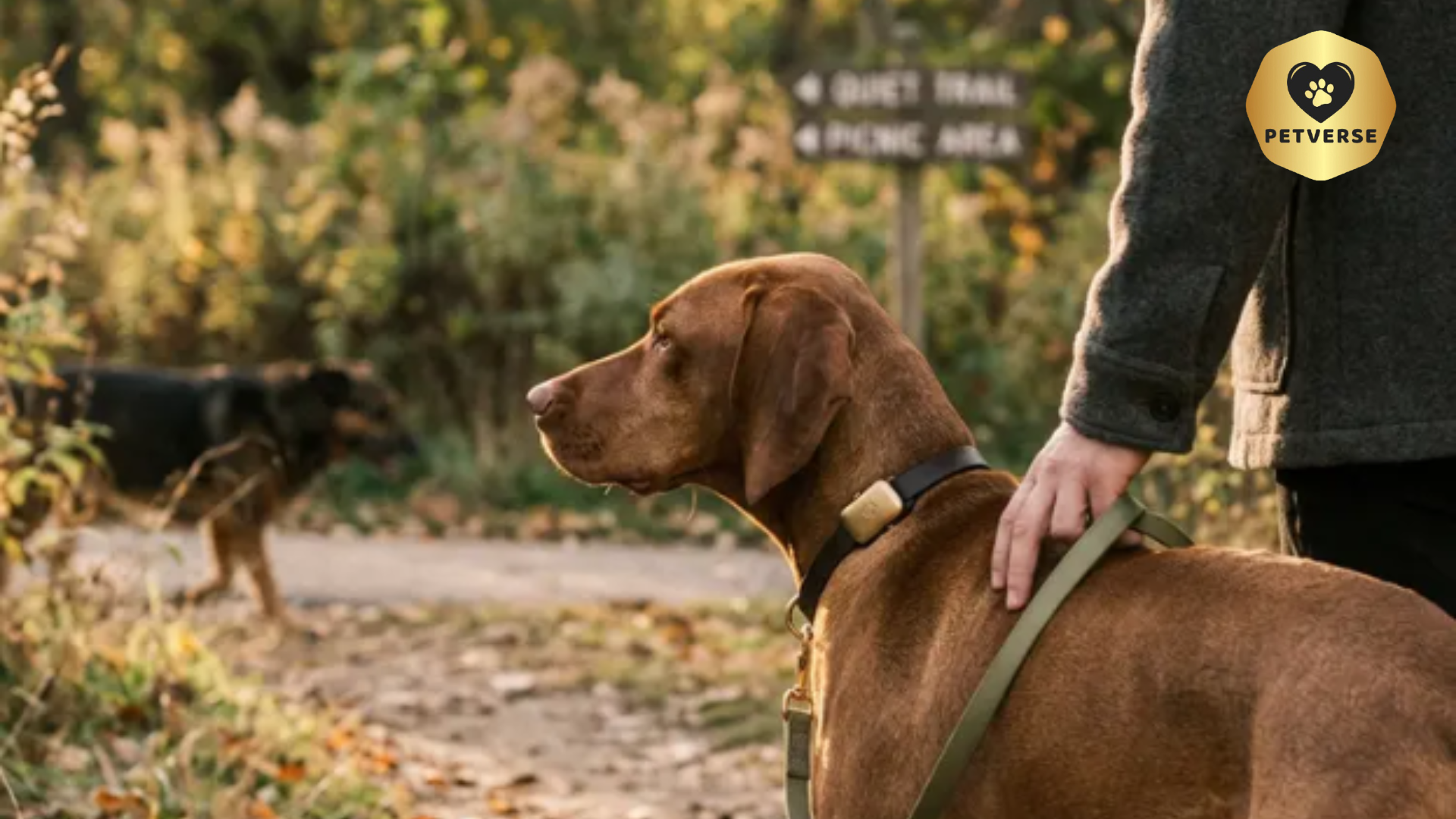
Why Your Dog Doesn't Need to Be Everyone's Best Friend
I used to worry when my dog would pull away from certain dogs at the park. Was I doing something wrong? Did I miss some crucial training window?
Turns out, I was asking the wrong questions entirely.
Here's what most people don't realize: the majority of adult dogs are not universally social. They're dog tolerant or dog selective. And that's completely normal.
Think about your own social life. You probably don't want to hang out with every person you meet. You have friends you click with, acquaintances you tolerate, and people you'd rather avoid. Your dog works the same way.
The Selectivity Spectrum
Dog trainer Alexandra Bassett breaks down canine sociability into four categories. Understanding where your dog falls can save you a lot of stress.
Dog Social: These dogs love almost everyone. They're the golden retrievers bounding up to every dog at the park. But here's the thing—truly dog social adult dogs are very rare. Most puppies start here, but as they mature, their preferences narrow.
Dog Tolerant: This is where most adult dogs land. They can handle being around other dogs without getting reactive, but they're not seeking out new friendships. They're polite but not particularly interested.
Dog Selective: These dogs have specific preferences. They might love their regular playmates but show zero interest in (or actively avoid) unfamiliar dogs. Size, play style, energy level—all of these factor into their choices.
Dog Aggressive: This is rare and requires professional help. These dogs consistently show aggression toward other dogs regardless of context.
Why Puppies Are Different
You might remember your puppy being friendlier with other dogs. That wasn't your imagination.
Puppies go through a critical socialization window between 3 and 14 weeks. During this time, they're naturally more accepting and curious. They're learning the rules of dog interaction from their mother and littermates.
But here's the catch: by the time your puppy finishes their vaccination series, this sensitive period is already over.
As dogs reach social maturity (typically between 1 and 3 years), their preferences naturally shift. That puppy who loved every dog at day-care might become more discerning as an adult. It's not a regression. It's development.
What Shapes Selectivity
Several factors influence how your dog feels about other dogs:
Genetics and breed: Some breeds lean more social, others more independent. But remember—breed gives you tendencies, not guarantees. Every dog is an individual.
Early experiences: Positive interactions during that critical window help, but they don't lock in universal friendliness. Socialization doesn't guarantee social adult behavior.
Play style compatibility: Dogs prefer friends who share their idea of fun. A dog who loves wrestling won't mesh well with one who prefers chase games. The mismatch creates friction.
Health and environment: A dog who's not feeling well becomes less tolerant. Stressful surroundings amplify selectivity. These factors shift day to day.
The Compatibility Mystery
Sometimes dogs just don't click, and you can't always figure out why.
Dogs assess each other through channels we barely notice. How another dog smells. Their body language. The way they vocalize. Their manners during greeting.
You can match two dogs perfectly on paper—same size, same energy level, same play style—and they still might not get along. That's okay.
What This Means for You
Dog trainer Nicole Kohanski puts it simply: "Because it's normal to have preferences, I recommend adapting to the dog's preferences instead of trying to change them."
This shifts everything. You're not trying to fix your dog. You're optimizing their happiness.
For dog-selective dogs, this might mean:
Scheduling playdates with specific dog friends instead of random park visits
Taking walks during quieter hours to avoid unwanted encounters
Choosing training classes with smaller groups or individual sessions
Focusing on mentally enriching activities like puzzle toys and scent work
Your dog doesn't need a packed social calendar to be happy. They need activities and interactions that match their personality.
The Real Problem with Dog Parks
We see super social dogs everywhere at parks and assume they're common. They're not. They're just the ones who thrive in those environments, so they're the ones we see.
Dog-selective and dog-tolerant dogs exist in much larger numbers. They're just not hanging out at the busy dog park on Saturday afternoon.
If your dog doesn't enjoy the dog park, you're not failing them. You're respecting who they are.
Moving Forward
Understanding your dog's social preferences removes a lot of pressure. You can stop comparing them to the friendliest dog in the neighbourhood. You can stop feeling guilty about skipping the dog park.
Watch your dog. Notice which dogs they gravitate toward and which ones they avoid. Pay attention to their body language during interactions. They're telling you what they need.
At Petverse, we build tools that help you understand your dog better. Real-time GPS tracking means you can give your selective dog the space they need while keeping them safe. You can choose walking routes and times that work for their comfort level.
Your dog's selectivity isn't a problem to solve. It's a preference to respect.
And honestly? That makes life easier for both of you.
