

When Disaster Strikes, Where You Live Can Determine If Your Pet Survives
When tracking pet safety data in South Africa one uncomfortable truth is evident: whether you live in a wealthy suburb or an impoverished township often decides whether your pet makes it through a disaster.
The numbers tell a story that should make us all uncomfortable.
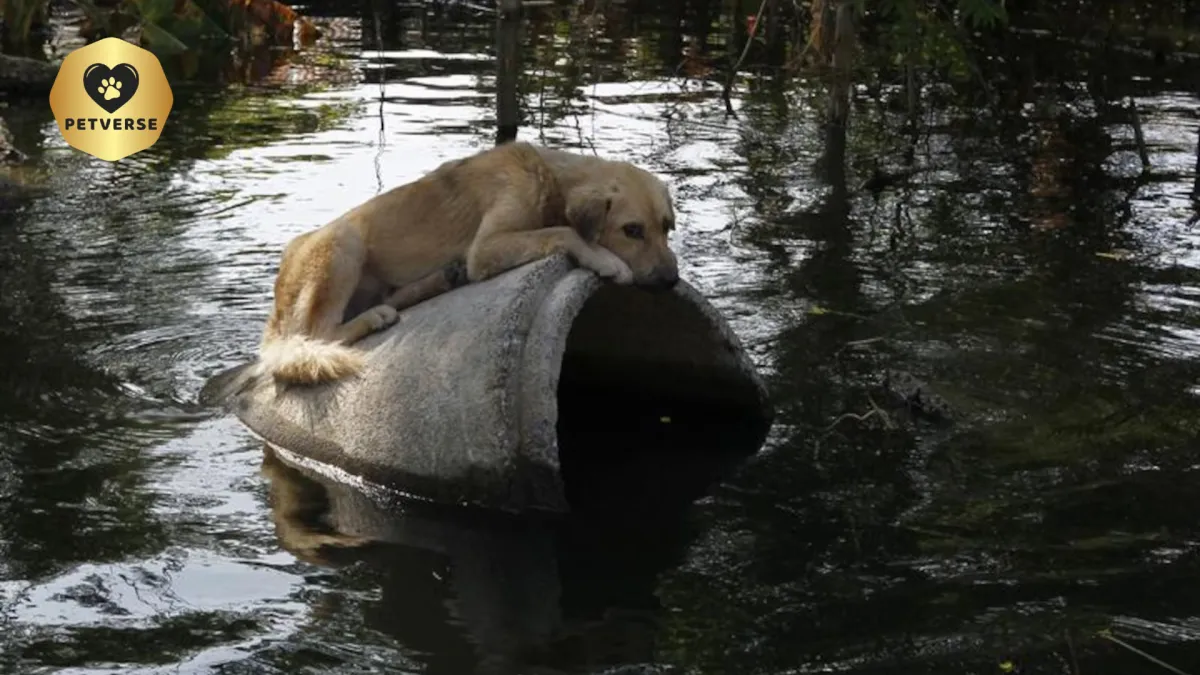
In June 2025, catastrophic floods swept through the Eastern Cape, killing over 100 people and displacing thousands. In July 2024, massive wildfires tore through KwaZulu-Natal, claiming 13 lives and killing 1,600 livestock animals. And through it all, countless pets were lost, abandoned, or left to die—not because their owners didn't love them, but because survival itself became a luxury they couldn't afford.
This isn't just about pets. It's about people.
The Evacuation Gap Nobody Talks About
When the June 2025 floods hit, floodwaters reached 3-4 meters deep around Mthatha. Over 2,000 people were evacuated from Nelson Mandela Bay, many from makeshift homes in informal settlements. Those who had cars could leave. Those with money could find shelter elsewhere. But the majority of South Africa's pets—an estimated 85%—live in townships with families who have neither.
The wealthy had options. Vehicles to evacuate. Resources to relocate. Second properties or family in unaffected areas. Township residents had choices too, but they were all impossible ones.
Many township households earn less than the minimum wage. An income that must cover at least three people. When disaster strikes, there's no money for pet carriers, no transport, no emergency funds for evacuation.
The Hidden Infrastructure of Pet Poverty
Nearly two-thirds of the country’s population—40.8 million people—live in absolute poverty. And an estimated 85% of all companion animals in South Africa live in townships with families that are struggling to survive.
When disaster preparedness experts talk about emergency kits and evacuation plans, they assume resources that simply don't exist for millions of South African pet owners. You need a car to evacuate. You need money for transport. You need a pet carrier. You need somewhere pet-friendly to go. You need savings to cover unexpected costs. But most township residents don't have consistent access to clean water, electricity, or healthcare—let alone affordable veterinary services for their pets.
In Langa, Cape Town, nearly 90% of dogs and cats are unsterilized. Only 15% of animals are vaccinated against rabies. Most township pets have never seen a veterinarian. These same areas—informal settlements that are built on floodplains, or townships in fire-prone regions—face the highest disaster vulnerability.
The Policy Gap That Persists
When President Cyril Ramaphosa visited the Eastern Cape on June 13, 2025, to oversee flood relief efforts, he blamed the flooding on climate change. He was right. South Africa is becoming hotter and drier, and the increase in high fire danger days is inevitable.
But no one talked about the pets.
South Africa has the Veld and Forest Fire Act, which requires landowners to maintain firefighting equipment and fire breaks, and we do have disaster management protocols. But these systems were never designed with township animals in mind.
When emergency shelters open during disasters, they rarely accept pets. When evacuation orders come, there's no infrastructure to help low-income families transport their animals to safety. The framework exists, but the implementation for the most vulnerable doesn't.
The Questions We Should Be Asking
Why do we accept that disaster survival depends on whether you live in Sandton or Khayelitsha?
Why do emergency shelters still refuse pets when we know some people will die rather than leave them behind?
Why haven't we created affordable, accessible pet evacuation infrastructure in the townships that need it most?
I don't have all the answers. But I know the current system fails millions of South African pet owners and their animals every time disaster strikes.
As climate change intensifies—as floods become more severe and fire seasons more deadly—the inequality gap will only widen. The wealthy will continue to protect their pets and the township residents will continue to face impossible choices.
We need policy changes that mandate pet-inclusive emergency shelters across all provinces. We need funding for pet evacuation assistance in townships and informal settlements. We need the severe lack of veterinary care in our communities addressed with the same urgency we apply to gaps in human healthcare access. And we need technology solutions designed for accessibility, not just affluence.
Your pet's survival shouldn't depend on where you live, but right now, it does.
That needs to change.
