

The Heat Risk You're Not Watching For
Summer heat creates predictable patterns of risk for pets.
Most advice focuses on reactive interventions — what to do when things go wrong. A better approach builds prevention into daily structure, stopping crises before they start.
Here's what the research shows about protecting cats and dogs when temperatures climb, and how to design a system that actually works.
The Real Risk Isn't What You Think.
Everyone worries about leaving pets in hot cars. That's valid. But research shows exercise triggers 74% of heat stroke cases in dogs. Walking your dog in afternoon heat causes more emergencies than parked vehicles.
The danger hides in routine activities. Your daily walk. The afternoon play session. The trip across hot pavement to the car.
These ordinary moments become high-risk when you don't account for how quickly surfaces heat up and how poorly dogs regulate their body temperature compared to humans.
Build Prevention Into Your Daily Structure
Here's the system I recommend:
Timing matters more than duration. Walk before 9am or after 6pm. The pavement temperature drops significantly outside peak sun hours. This single change eliminates most exercise-related heat stress.
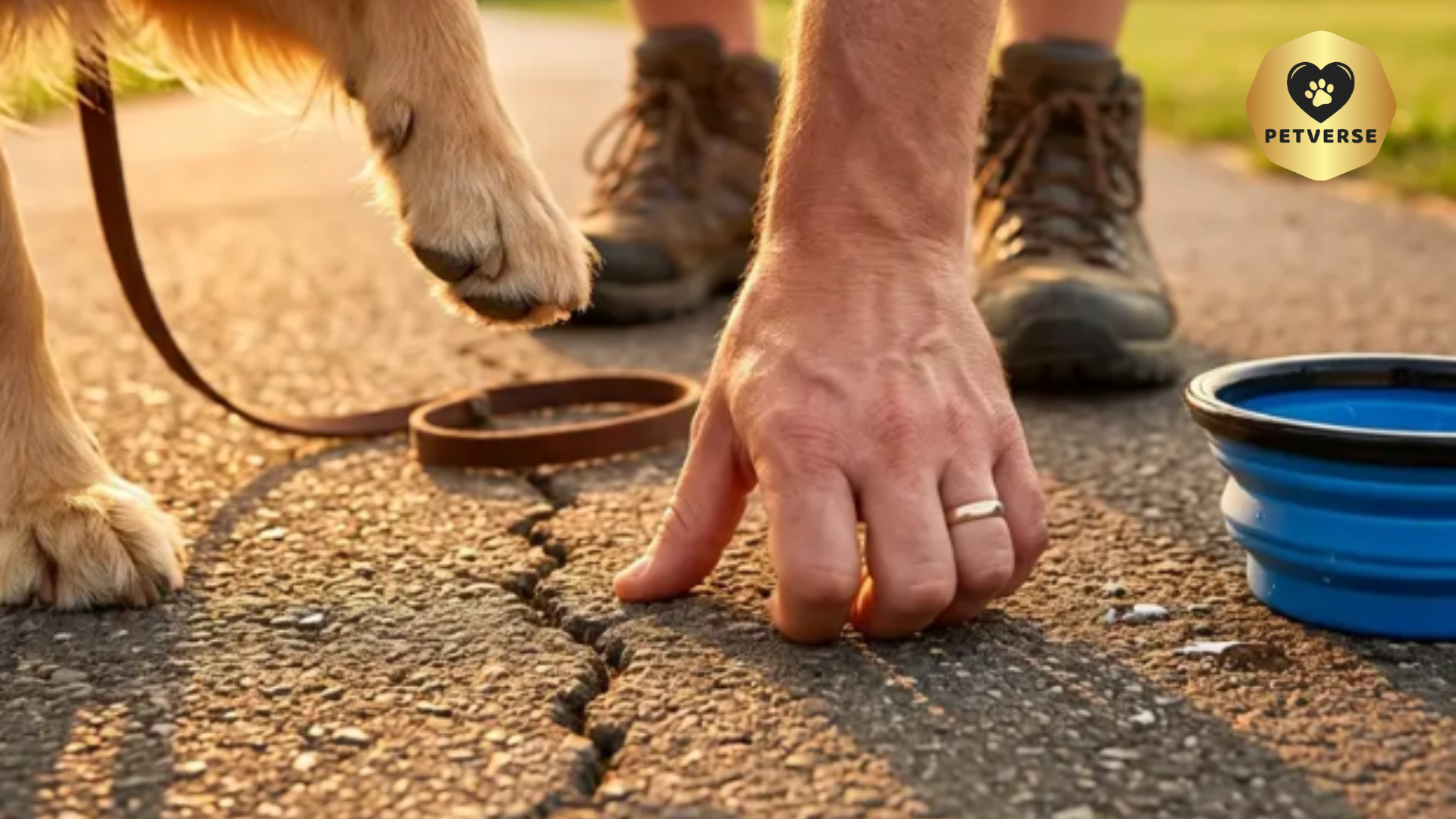
Test surfaces before every walk. Place your hand on the pavement for seven seconds. If you can't keep it there comfortably, your dog's paws will burn in 60 seconds on that surface.
Hydration requires a strategy, not just a bowl. Dogs drink when water is available. Cats need encouragement. Add water to their food. Use motion-activated fountains. Place multiple water stations around your home.
Check water levels twice daily during hot weather.
Create designated cool zones. Identify the coolest room in your house. Add a fan. Provide elevated beds that allow air circulation underneath. Tile or concrete floors work better than carpet.
Your pet will naturally migrate to these spaces when they need to regulate temperature.
Recognition Saves Lives
Heat stroke carries a 50% mortality rate even with treatment. Early recognition changes outcomes.
Watch for these signs:
Excessive panting that doesn't stop after rest
Lethargy or reluctance to move
Seeking cool surfaces obsessively
Drooling more than normal
Confusion or unsteady movement
If you see any combination of these symptoms, move your pet to a cool space immediately. Offer water. Contact your vet.
The window between early symptoms and organ damage is shorter than most people realize.
Breed and Age Create Hidden Vulnerabilities
Flat-faced breeds struggle with heat regulation. Their shortened airways make cooling through panting less efficient. If you have a bulldog, pug, or Persian cat, treat every warm day as high-risk.
Older pets and overweight animals face similar challenges. Their systems work harder to maintain normal temperature.
These animals need shorter activity periods, more frequent water breaks, and closer monitoring during summer months.
The System Works When You Build It In
Heat safety isn't complicated. You don't need expensive equipment or veterinary expertise.
You need awareness. Timing adjustments. Environmental preparation.
Test the pavement. Shift your walk schedule. Create cool zones. Watch behaviour patterns.
These small structural changes prevent the emergencies that most people only think about after something goes wrong.
Your pet depends on you to recognize what they can't communicate. Build that responsibility into your daily routine, and summer becomes manageable instead of dangerous.
