

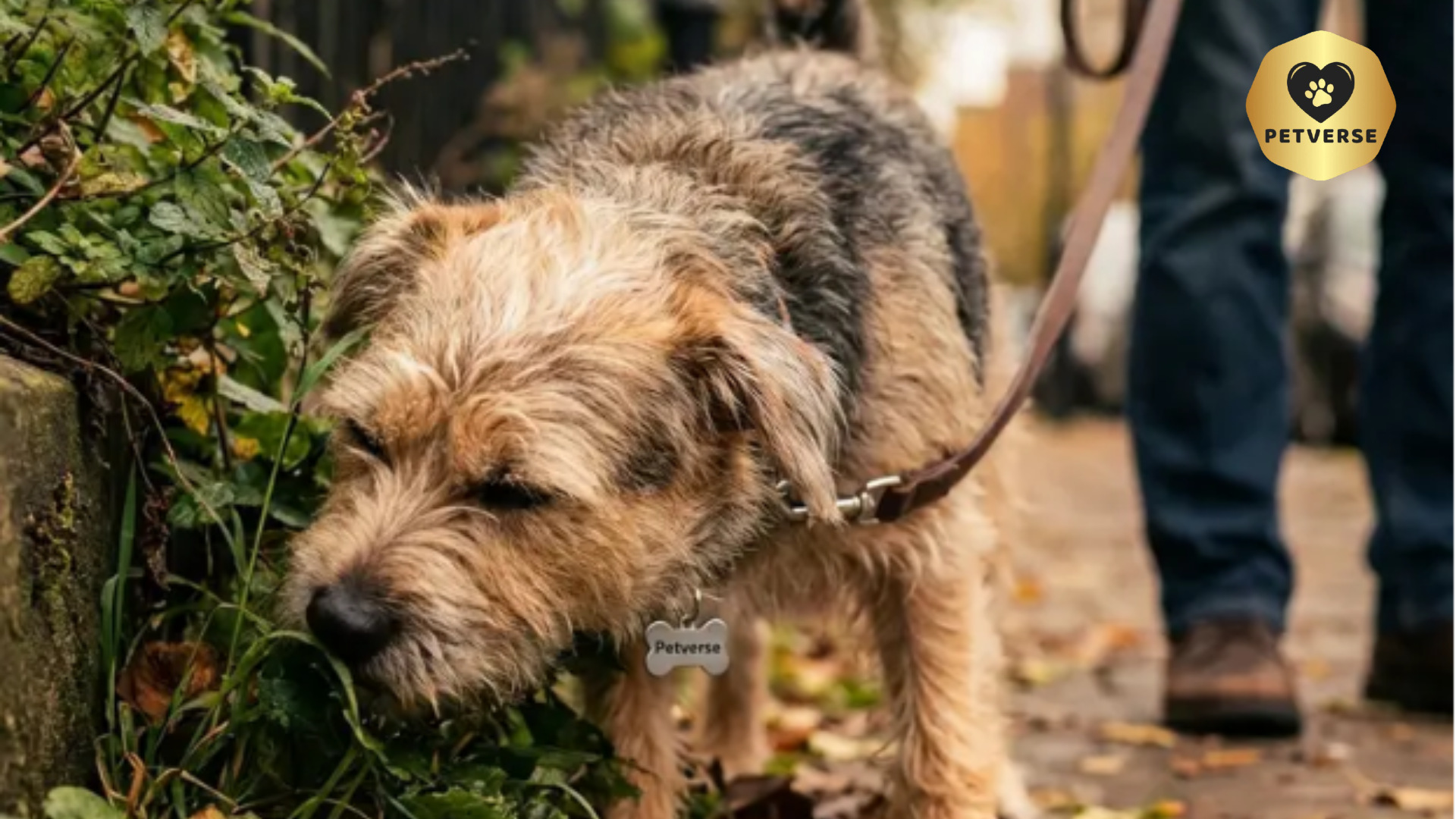
I Used to Rush My Dog Through Walks. Then I Learned What She Was Actually Experiencing.
I spent years thinking walks were about exercise. Get the dog out, cover some distance, burn energy, head home. But then I learned something that changed everything.
Dogs experience the world primarily through scent. Not primarily like "oh, they use their nose a lot." Primarily like 100,000 times more powerful than our sense of smell.
Imagine being blindfolded and rushed through a new city. Someone's pulling your arm, telling you to hurry up, while you're desperately trying to piece together where you are using only sound and touch.
That's what we do when we yank our dogs past every interesting smell.
The Science Behind Sniffing
Here's what actually happens when your dog stops to sniff that random patch of grass.
Their heart rate slows down. The act of sniffing activates their parasympathetic nervous system, the part responsible for rest and relaxation. Each sniff literally calms them.
Research shows dogs allowed to sniff freely during walks have lower cortisol levels. Less stress hormone means a calmer, more balanced dog.
But it goes deeper than stress reduction. Mental stimulation through scent exploration tires dogs more effectively than physical exercise alone. Think about it: processing complex olfactory information is a cognitive workout. Your dog isn't being lazy when they want to sniff everything. They're working.
What I Changed
I started letting my dog lead more. I loosened the leash and stopped checking my watch. We cover less distance now, but she's calmer at home. Less anxious. More satisfied.
The benefits stack up:
Confidence building: Making choices about where to explore gives dogs agency
Cognitive health: Olfactory stimulation may help slow cognitive decline in senior dogs
Behavioural improvement: Dogs who get proper sensory enrichment show fewer stress-related behaviours
Stronger bond: When I prioritise what she needs over what I think we should accomplish, our relationship deepens
The Patience Part
I'm not going to pretend this is always easy. Some days I'm in a hurry. Some days I want to cover distance. Some days standing still while she investigates the same spot for three minutes feels impossible.
But then I remember: this walk isn't for me.
At Petverse, we track activity and location because we know how much pet owners care about safety and wellness. But tracking steps isn't the same as tracking fulfilment. Your dog might hit their step goal and still feel mentally starved.
The real question isn't "How far did we walk today?" It's "Did my dog get to experience their world?"
Slow down. Loosen the leash. Let them sniff. You might be surprised how much calmer your home becomes when your dog's walks actually satisfy them.
